
Analysis
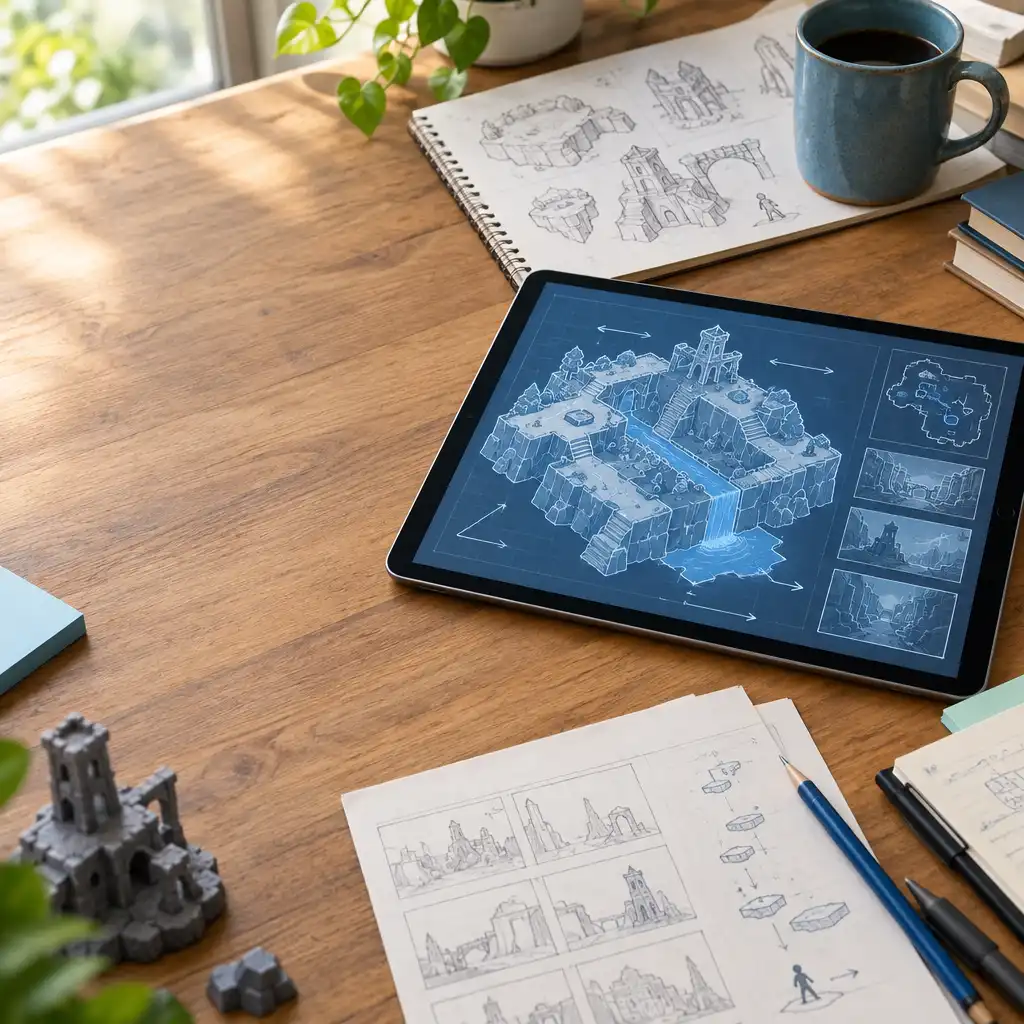
Level Design Is a Conversation, Not a Corridor
Game designers are moving away from linear paths toward spaces that respond to player curiosity. We look at three recent examples that treat navigation as dialogue.

As open-world games grow larger, their most important design decisions are becoming quieter. This analysis examines how environmental storytelling, systemic audio cues, and deliberate negative space are reshaping player agency without a single objective marker. It argues that the next leap in immersion will come from restraint, not scale.
Read the full feature
Game designers are moving away from linear paths toward spaces that respond to player curiosity. We look at three recent examples that treat navigation as dialogue.
The industry's obsession with hardware spectacle is delaying the stability players actually need. A deliberately unremarkable generation could be the healthiest thing for developers.
When studios abandon single-player roadmaps for live-service models, the financial damage often arrives years later. We examine the hidden long-term costs.
The best tutorials never feel like tutorials. We break down the design techniques that teach players without breaking the fiction or pacing of a game.
Our editors chose this piece for its clear-eyed look at how games communicate without words, using space, sound, and silence as narrative tools.
A warm, personal account of why the limitations of early hardware created a visual language that still influences modern indie games.
A sharp argument that preservation must move beyond archives and into the hands of players, with practical steps for the industry to follow.
Why supporting older games is no longer just a goodwill gesture but a measurable driver of platform loyalty and long-term revenue.
The technical barriers are falling, but the real challenge is designing games that feel responsive when the server is hundreds of kilometres away.
A growing number of games are pairing end-of-world settings with gentle mechanics. We explore what this says about player anxieties and comfort.
The medium's greatest strength is interactivity, yet too many blockbusters chase cinematic polish at the expense of player choice.
Not every experience needs to last forty hours. A focused, well-paced game can leave a stronger impression than a padded open world.
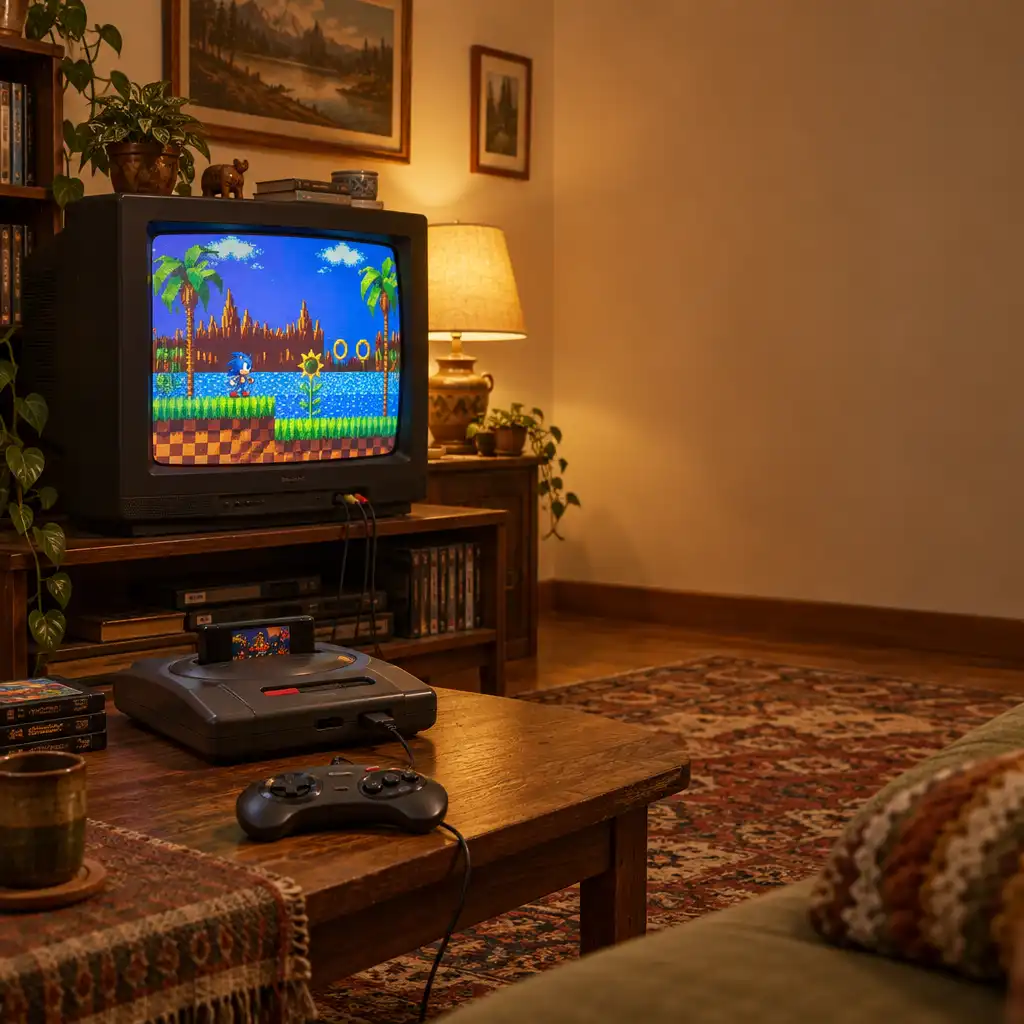
From rented cartridges to split-screen rivalries, we look back at the decade that turned gaming into a shared family ritual across the country.
Before the modern portable era, a series of ambitious devices experimented with form, function, and failure. Their lessons still shape today's hardware.
Automated testing is moving beyond scripted paths into exploratory play, promising faster QA cycles but raising new questions about creative oversight.
Local studios are producing world-class work, but inconsistent public funding is pushing talent overseas. We examine the structural causes.
As physical media declines, the industry faces hard questions about ownership, preservation, and the long-term availability of games.